

What is teleradiology and why are facilities switching ?
Healthy communication is essential for building trust, emotional closeness, and long-term relationship satisfaction. Improving how you communicate doesn’t mean avoiding conflict—it means learning how to navigate conversations with care, respect, and understanding.
Partner with 24/7 Subspecialty Experts
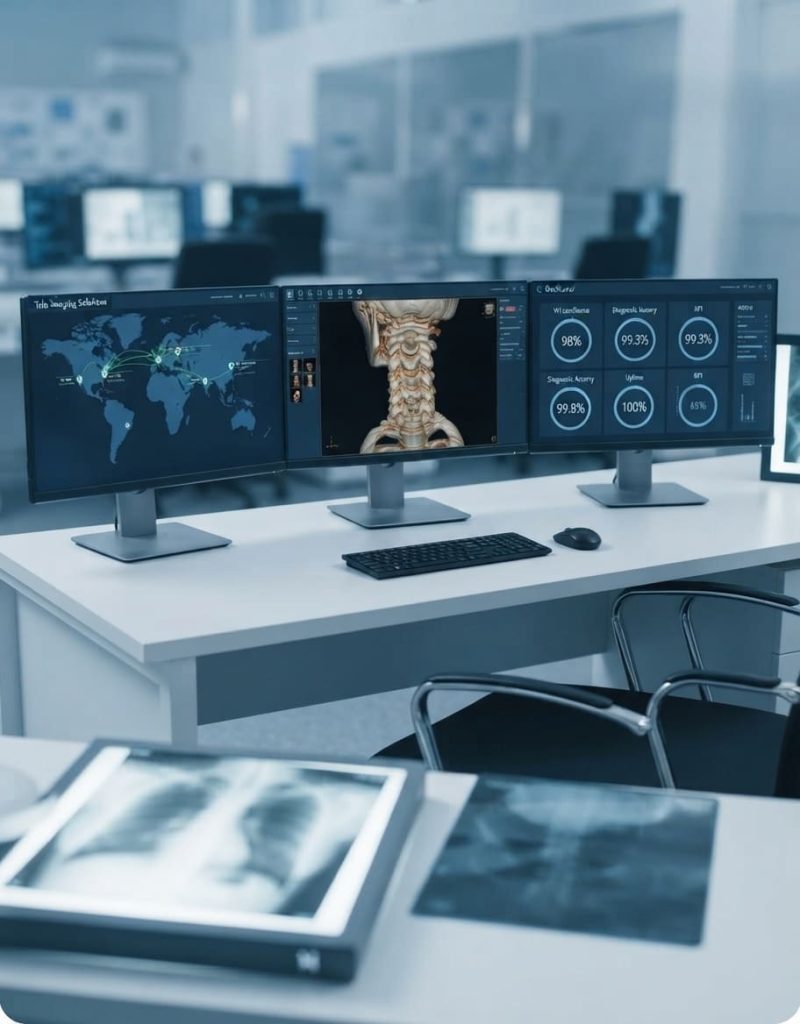
Modern teleradiology means having continuous, reliable access to expert interpretations whenever patient care demands it. Remove reliance on constrained local schedules, avoid diagnostic backlogs, and focus on truly delivering rapid, accurate clinical reports rather than waiting for morning shifts to clear the queue. Having round-the-clock subspecialty coverage creates operational safety and accelerates patient disposition.
Optimize Workflows and Integration
Streamline your hospital’s imaging pipeline openly using robust IT architectures instead of fragmented legacy systems. Being specific about your data security standards, Picture Archiving and Communication System (PACS) integrations, and vendor-neutral archives helps prevent operational bottlenecks and costly delays. Avoid expecting internal IT teams to handle complex clinical integrations alone—clear, secure connectivity builds diagnostic clarity and system reliability.
-
Leverage secure, HIPAA-compliant cloud connections to share imaging data instantly without friction.
-
Be specific about your turnaround time (TAT) SLAs and subspecialty reporting requirements.
-
Share diagnostic goals first, not structural complaints, to keep clinical transitions constructive.
-
Avoid assuming referring physicians know scan statuses—automate tracking updates clearly.
-
Focus on current diagnostic throughput rather than dwelling on past IT migration failures.
Integrating seamless technology and expert teleradiology creates space for faster clinical decisions and superior patient outcomes.
Choose the Right Partner for Expansion
Timing matters. Strategic partnerships are most successful when your facility is scaling, evaluating capacity constraints, and ready for digital transformation. Avoid delaying infrastructure upgrades during periods of high patient volume or physician shortages. Creating intentional space for scalable teleradiology integration allows both internal staff and external specialists to engage thoughtfully and productively.
Handle Operational Scaling Constructively
Growth brings adjustments in any healthcare system. Focus on addressing workflow inefficiencies rather than criticizing internal departments. Stay curious about clinical perspectives, take responsibility for administrative bottlenecks, and avoid short-term patches that fail under pressure. Working as a cohesive team toward modernized diagnostic solutions strengthens institutional resilience and clinical trust.
Show Appreciation and Support for Clinical Staff
Operational optimization isn’t just about clearing reporting backlogs—it’s also about supporting your physicians and technologists. Regularly reducing administrative burdens, streamlining reporting tools, and acknowledging staff efforts helps healthcare teams feel valued. Small improvements in daily workflows can significantly reduce burnout and foster a more supportive clinical environment.
Bringing It All Together
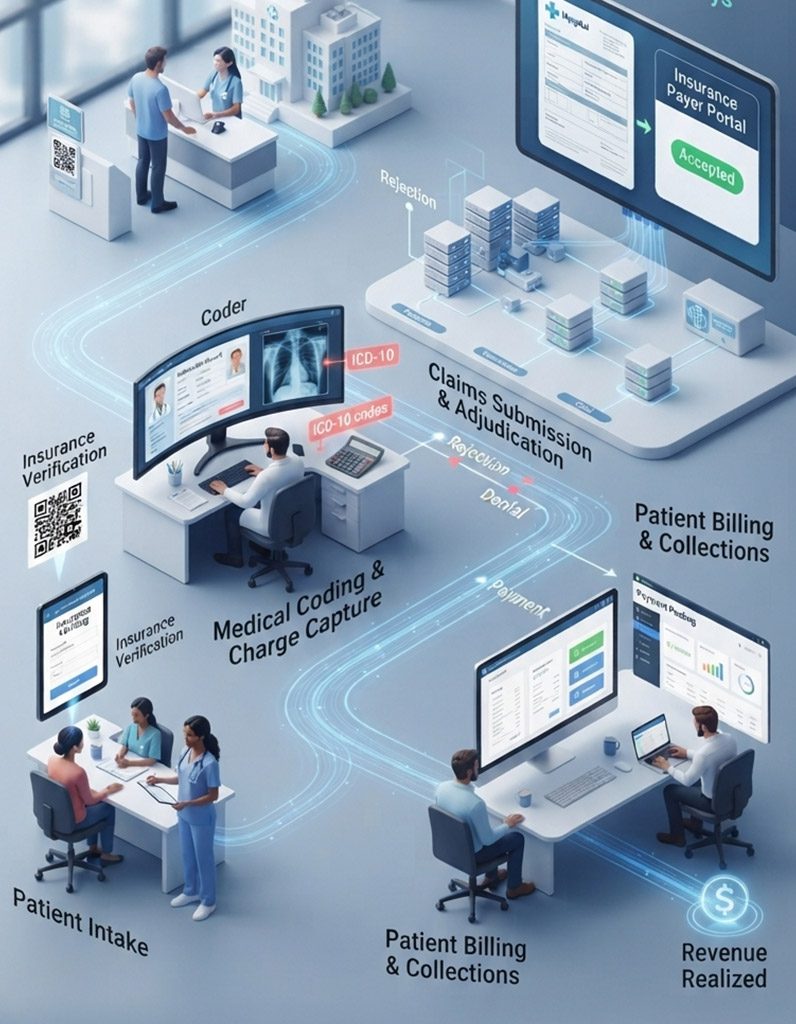
Modernizing hospital radiology takes time, strategic planning, and consistent execution across administrative and clinical teams. By partnering with intentional experts, integrating advanced IT frameworks, choosing the right moments for expansion, managing operational shifts thoughtfully, and supporting your healthcare staff, you create a stronger foundation for clinical and financial success. Small, consistent changes in how your facility handles diagnostic imaging can lead to faster turnaround times, greater clinical confidence, and a more resilient healthcare organization.

Clear and thoughtful article. I like how you focus on impact and patterns, not just whether something feels uncomfortable. That distinction helps readers reflect without jumping to self-diagnosis. The calm, grounded tone makes it easier to understand when something is part of normal life—and when it might be worth getting support.